
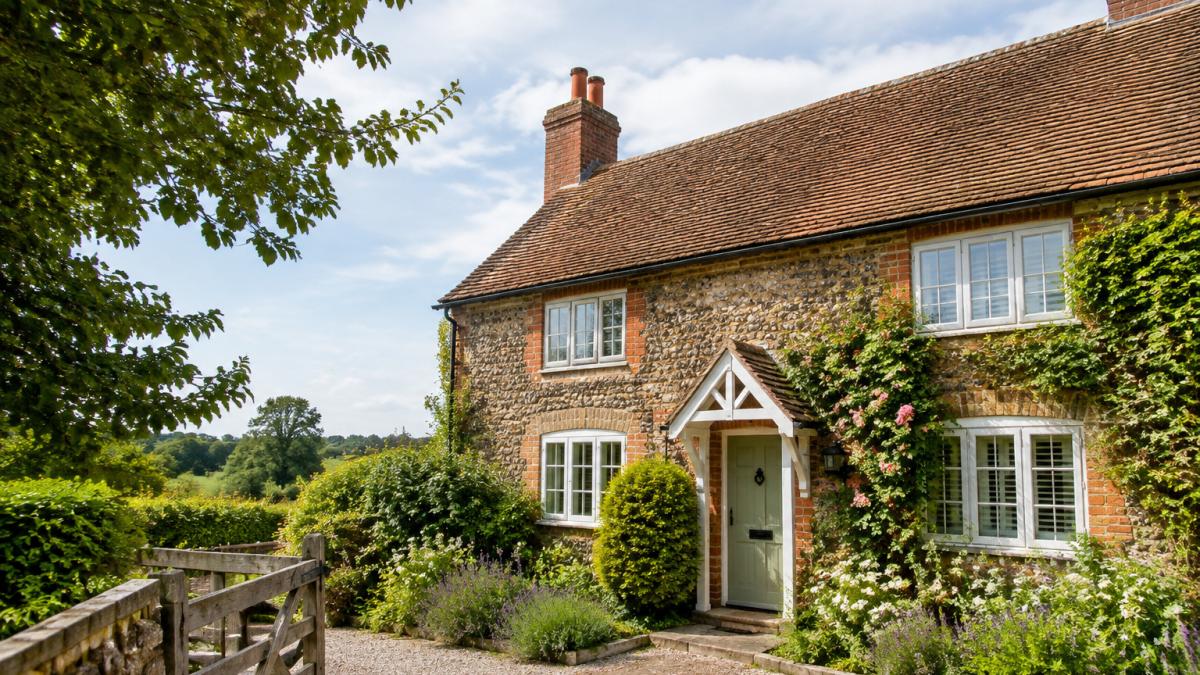
 how-to
Selling a Period Cottage in Kent: 7 Steps to a Successful Sale
Quick Summary
A period cottage in Kent sells best when it is valued on evidence, presented without losing its character and backed by complete paperwork. Buyers look hard for hidden problems and heritage restrictions, so preparing the valuation, repairs and listed building documents early helps a sale move smoothly.
- Build the valuation from recent adjusted sold prices, heritage features, condition and sympathetic improvements.
- Ask agents to show the comparable sales and explain how they adjusted for condition and heritage.
- Repair plaster, tiles and sash windows, and keep original fireplaces and exposed timber visible.
- Gather title documents, planning history, building regulations certificates and warranties before marketing.
- Check whether past works had listed building or conservation area consent, since buyers' solicitors will ask.
Table of Contents
- Why Period Cottages in Kent Need a Different Approach to Selling
- Valuing a Period Cottage Accurately
- Preparing a Cottage for Sale Without Losing Its Character
- Listed Buildings, Conservation Areas and the Paperwork You Need
- Marketing Original Features to the Right Buyers
- Book Your Instant Valuation and Plan Your Sale
- Frequently Asked Questions
Why Period Cottages in Kent Need a Different Approach to Selling
Selling a period cottage in Kent is not the same as selling a modern semi.
Most sellers assume the same marketing and pricing approach will work for any house. For a cottage with original beams, sash windows and a tiled roof, it usually does not.
A period property also brings extra paperwork. Listed status, conservation area rules and the age of the building can all affect how buyers view the sale, so these points need attention from the start.
Valuing a Period Cottage Accurately
Valuation is where many period cottage sales go wrong, because the usual comparable-sales method breaks down. No two cottages are identical, and a cottage with a large garden, a village setting and a well-kept original kitchen may sell very differently from one with the same number of bedrooms but no outdoor space. The practical answer is to build the figure from evidence rather than from hope, and to understand which parts of the property an agent is actually pricing.
How a Period Cottage Valuation Is Built
A defensible valuation rests on four layers of evidence. Ask any agent you interview to walk you through each one, and be wary of a figure that arrives without them.
- Comparable sales, adjusted for difference. Recent sold prices for similar cottages nearby are the starting point, but they must be adjusted for construction type, bedroom count, plot size, condition of roof and windows, and whether the property is listed or sits in a conservation area. Land Registry sold-price data and the agency's own records are the usual sources.
- Heritage features and restrictions. Original fireplaces, exposed timber, sash windows in good repair and a well-kept tiled roof tend to appeal to buyers who want character, and a garden with views or a quiet setting can strengthen an offer. Listed status and conservation-area rules cut the other way where they limit alterations, so the valuer should be explicit about how they have been weighted.
- Condition and ongoing liability. Damp, roof age, heating and energy efficiency are priced by buyers as future cost, not as cosmetic issues. A cottage that needs a new roof or a damp course will be discounted by more than the cost of the work, because buyers price in inconvenience and risk.
- Sympathetic improvements. Extensions and modern improvements can add value, but only if they sit comfortably with the original building. A sympathetic extension using matching materials usually works better than one that looks out of place, and unsympathetic work can actively reduce the figure.
Getting and Comparing Valuations
Compare them on evidence, not on the headline number. A common pattern is for one agent to quote high to win the instruction and another to quote low to secure a quick sale; the useful valuation is the one that shows its comparables and explains its adjustments.
Watch out: an agent who cannot show you the comparables behind a figure is guessing.
Why Overvaluation Costs You Time and Money
Setting an inflated asking price is tempting, but an overvalued property can sit on the market and later need to be reduced. A realistic price, based on evidence, gives a sound basis for a sale. To compare what selling will cost you, see agent commission versus a fixed fee. We believe in giving you an honest figure from the outset.
The article breaks a period cottage valuation into four layers of evidence, which can be summarised as follows.
| Evidence layer | What it covers | What to ask your agent |
|---|---|---|
| Comparable sales | Recent sold prices, adjusted for differences | Which sold prices were used, and how were they adjusted? |
| Heritage features and restrictions | Original features, listed status, conservation area rules | How has listed or conservation status been weighted? |
| Condition and ongoing liability | Damp, roof age, heating, energy efficiency | Which repairs are priced in as future cost? |
| Sympathetic improvements | Extensions and modern work that suit the original building | Does any extension or improvement add or reduce value? |
Preparing a Cottage for Sale Without Losing Its Character
Presentation matters, but the aim is to show the cottage at its best, not to strip it of the features buyers love. Clear the clutter, make repairs and let the original details stand out.
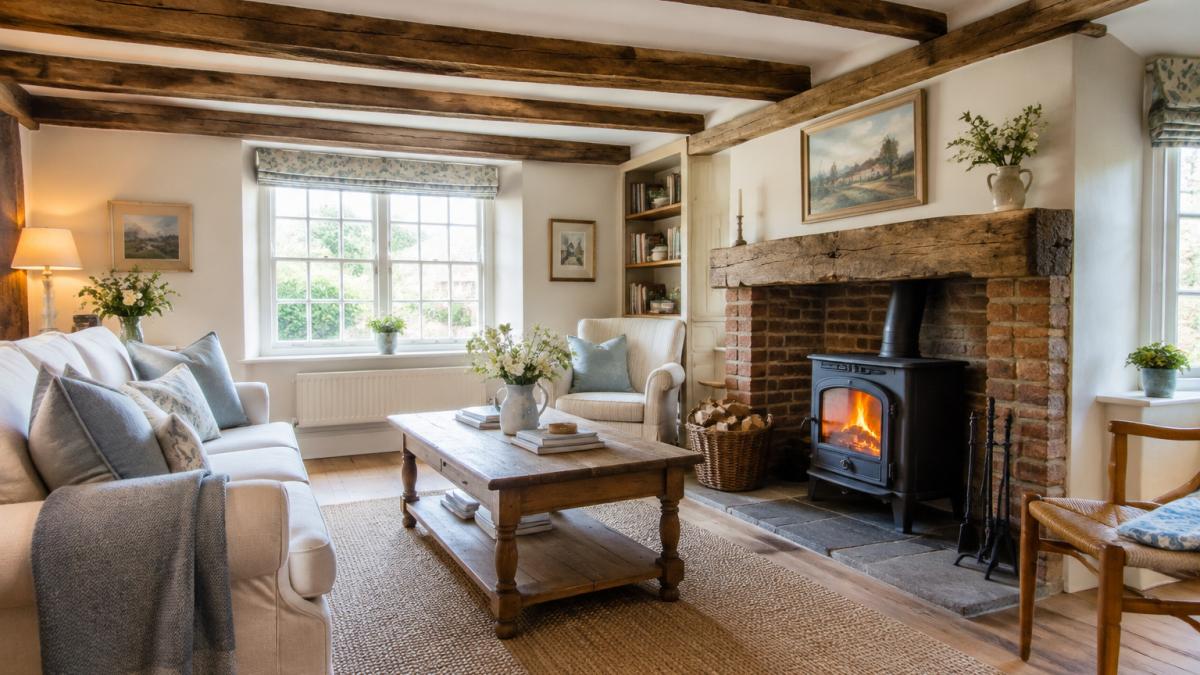
Focus on the following:
- Repair damaged plaster, loose tiles and sticking sash windows
- Clean and restore original fireplaces and exposed timber
- Keep decoration neutral, so buyers can imagine their own furniture in each room
- Tidy the garden and show clear access to outdoor space
A common mistake is painting over original features or replacing period fittings with modern alternatives. Buyers who want a cottage usually want the character, so removing it can reduce interest.
Listed Buildings, Conservation Areas and the Paperwork You Need
Many period cottages are listed buildings or sit within a conservation area, and the paperwork around that status is where sales most often stall. Buyers and their solicitors will ask about past alterations, permissions and restrictions before they commit, so gathering the information early is one of the highest-value things a seller can do.
What Listed Status and Conservation Area Rules Mean for a Sale
If your property is listed, changes to the exterior or to certain interior features may need listed building consent, and carrying out works without it is an offence that runs with the building rather than the owner. In a conservation area, additional controls usually apply to demolition, extensions, cladding and works to trees, and permitted development rights are more limited than on an unlisted home.
Documents Buyers and Their Solicitors Will Request
Prepare a single file covering the following, and expect questions on each:
- Title documents and plans, including the registered title and any boundary plans, so the extent of the property and any rights of way are clear.
- Planning history, including planning permissions, listed building consent and conservation area consents for any works carried out.
- Building regulations approvals and completion certificates for extensions, alterations and any structural or electrical work.
- Guarantees and warranties for work done, such as damp courses, roof repairs, replacement windows or new heating installations.
- Details of recent repairs and maintenance, with dates and any contractor records, which support the condition claims made in the marketing.
- Services and boundaries information, including drainage, heating and any shared access or responsibility, which feeds the property information forms.
Your conveyancing solicitor will review the title and searches, and the buyer's solicitor will raise enquiries on the property information forms. To see the legal steps from offer to completion, read Conveyancing Made Simple.
Watch out: if past works were carried out without the necessary consent, the buyer's solicitor may require indemnity insurance or a retrospective application, and either route adds time and cost to the sale.
Marketing Original Features to the Right Buyers
Good marketing shows the cottage as it really is, with clear photographs that show its original features, garden and setting. Describe the property honestly, including its age, its construction and any work that has been completed.
Think about who is likely to buy. Some buyers want a restoration project, while others want a home that is ready to move into. Targeting the right group helps you reach people who will value the cottage for what it is.
Book Your Instant Valuation and Plan Your Sale
Selling a period cottage takes careful planning, from the first valuation to completion. You can see the full process on our page on selling your home with us.
Start by requesting your instant valuation. Once you have a realistic figure, we can talk through the steps, the timing and what your cottage needs before it goes on the market. You can get in touch with our East Kent team to arrange that conversation.
Frequently Asked Questions
How do I value a period cottage?
Start with recent sales of comparable period properties in your village or nearby market towns, rather than relying on modern homes as a guide. Look at condition, original features, plot size and whether the cottage is listed, as each affects value. A local agent with experience of older property can give a realistic valuation based on evidence. Be wary of any agent who quotes a figure far above the others, as this often leads to a price reduction later. Ask for the reasoning behind the valuation and the comparable sales used to reach it.
Do I need a survey before selling a period cottage?
A survey is not legally required before you sell, but a buyer's surveyor will usually check the property anyway. Commissioning a homebuyer report or a full building survey yourself can highlight issues such as damp, timber defects, roof condition or subsidence before they derail a sale. Older cottages often have features that need specialist assessment, so choose a surveyor familiar with traditional construction. Sharing the findings early gives you time to address problems or adjust the asking price with confidence.
What documents do I need to sell an older property?
You will need proof of ownership, the title register and title plan from HM Land Registry, and details of any boundaries, rights of way or shared access. If the cottage is listed, gather the listing description and any listed building consent for previous works. Keep records of planning permissions, building regulation approvals and guarantees for replacement windows, roofing or heating. An energy performance certificate is also required before marketing. Having these ready speeds up the conveyancing process and reassures buyers.
How long does it take to sell a cottage?
Timescales vary with price, condition, location and the current market, but a well-priced period cottage in Kent often sells more slowly than a standard family home because the buyer pool is more specific. Allow time for marketing, viewings, negotiation and conveyancing, which commonly takes several months from listing to completion. Preparing the property thoroughly before listing and pricing it realistically from the start are the two factors you control most directly.